
Artificial intelligence is no longer a distant concept reserved for technology companies. It is now reshaping classrooms around the world, and teachers are at the center of this transformation. From automating lesson plans to delivering personalized feedback, AI tools for teachers have become essential instruments in modern education.
According to recent studies, over 60 percent of educators now use some form of artificial intelligence in their daily workflow. The numbers signal a clear trend: schools and institutions that embrace these tools are better positioned to improve learning outcomes and operational efficiency.
For school leaders, curriculum directors, and parents evaluating the best learning environments, understanding the role of artificial intelligence tools for teachers is critical. Whether your institution already uses AI or is just beginning to explore its potential, this guide will walk you through the most effective platforms available in 2026.
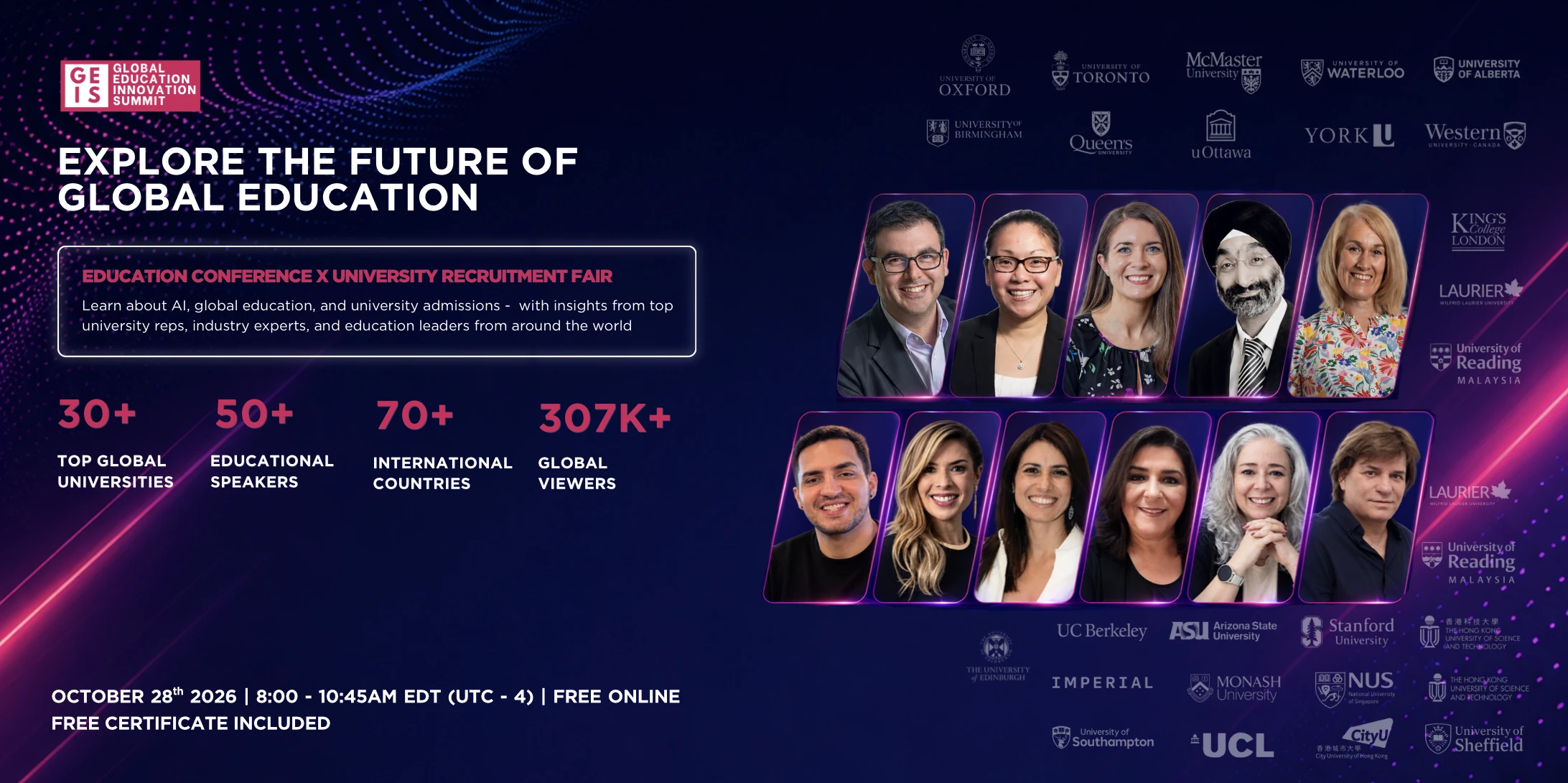
And if you want to see these innovations in action, the Global Education Innovation Summit (GEIS) 2026, hosted by Rosedale International Education on October 28, 2026, will bring together leading educators, AI specialists, and university partners from over 72 countries to discuss the future of AI in education.
Top AI Tools for Lesson Planning and Content Creation
Lesson planning has traditionally been one of the most time-consuming responsibilities for educators. Today, the right AI tool for teaching can reduce hours of preparation into minutes while maintaining instructional quality.
MagicSchool AI remains one of the most widely adopted platforms in this category. It offers more than 80 specialized tools that help teachers generate lesson plans, rubrics, differentiated activities, and parent communication templates. The platform is designed specifically for education, which means its outputs align with classroom standards rather than requiring heavy editing.
Canva for Education has also evolved significantly. Its AI-powered design features allow teachers to build polished slide decks, anchor charts, posters, and handouts without design expertise. For educators who need visually engaging materials on a tight schedule, Canva is a practical solution.
Eduaide.AI is another standout. Built by teachers for teachers, this platform leverages generative AI and large language models to help over 200,000 educators create personalized teaching resources across multiple subjects and grade levels. It supports content creation in dozens of languages, making it a strong fit for international schools.
General-purpose AI platforms like ChatGPT, Claude, and Gemini also serve as effective lesson planning assistants. Teachers use these tools to draft differentiated versions of the same activity, brainstorm explanations, and generate analogies that make complex topics more accessible to students. These platforms are especially valuable for differentiation, allowing educators to produce multiple versions of a single lesson in minutes.
For institutions looking for a free AI tool for teachers, many of these platforms offer free tiers or trial periods with access to core features.
AI Grading and Assessment Tools That Save Hours
Grading is one of the biggest time burdens in education. Teachers spend countless hours reviewing assignments, writing feedback, and tracking student progress. AI-powered grading tools are changing that reality by automating repetitive assessment tasks while preserving the quality of feedback.
Gradescope, developed by Turnitin, is a leading platform in this space. It uses AI to assist with grading written assignments, coding projects, and exams. Teachers can create rubrics once and apply them consistently across an entire class, significantly reducing grading time while ensuring fairness.
gotFeedback is an AI-powered tool that helps teachers evaluate student assessments and deliver actionable, personalized feedback. Rather than spending hours writing individual comments, educators can use the platform to generate detailed responses that guide students toward improvement.
Edcafe AI offers a comprehensive suite that goes beyond basic grading. Its tools allow teachers to create quizzes, share them with students via QR codes, and track learning outcomes through built-in analytics. This makes it particularly useful for formative assessment, where quick feedback loops are essential.
For teachers seeking AI assistance with plagiarism detection, Copyleaks provides robust content analysis capabilities. It can identify AI-generated content and flag potential plagiarism, giving educators confidence in the originality of student submissions.
These artificial intelligence tools for teachers are not replacing professional judgment. Instead, they are freeing educators to spend more time on meaningful interactions with students by handling the administrative side of assessment.
AI-Powered Student Engagement and Communication Platforms
Keeping students engaged is a constant challenge, especially in hybrid and digital learning environments. AI-powered platforms are helping teachers create more interactive, personalized experiences that hold student attention and foster deeper learning.
Khanmigo, developed by Khan Academy, functions as an educational chatbot that provides relatable, real-world learning materials. It offers AI tools for teachers, students, and parents, making it a versatile platform for schools that want a comprehensive engagement solution. The free plan for teachers makes it an accessible AI website for teachers who are just getting started with AI integration.
SchoolAI allows teachers to create AI-powered learning spaces with customizable chatbot “sidekicks” that guide students through assignments and track their progress. This approach turns passive learning into active exploration, with teachers maintaining full oversight of what students access and discuss.
EdPuzzle brings AI into video-based learning by letting teachers embed interactive questions, prompts, and assessments directly into video content. This transforms standard video lessons into active learning experiences where students must demonstrate comprehension as they watch.
ClassDojo integrates AI to enhance parent-teacher communication and classroom behavior management. Its platform streamlines how teachers share updates, reward positive behavior, and keep families connected to what is happening in the classroom.
For institutions evaluating these tools, the key consideration is alignment with existing curriculum frameworks. The most effective AI tools for teachers are those that integrate naturally into established workflows rather than requiring teachers to adopt entirely new systems.
How to Evaluate and Choose the Right AI Tool for Your Classroom
With dozens of platforms competing for attention, selecting the right AI tool for teaching requires a structured approach. Not every tool will fit every classroom, and adopting too many at once is the most common reason AI tools get abandoned by educators.
Here are the key factors to consider when evaluating AI tools for your institution:
- Data Privacy and Compliance. Ensure the platform complies with regulations such as FERPA and COPPA. Tools like MagicSchool and Brisk Teaching hold strong third-party privacy ratings, which is particularly important when student data is involved.
- Ease of Use. The best tools require minimal technical expertise. If a platform demands extensive training before teachers can use it effectively, it is unlikely to see sustained adoption across your staff.
- Curriculum Alignment. Look for tools that align with your existing curriculum standards and teaching methodologies. Platforms designed specifically for education tend to produce more classroom-appropriate outputs than general-purpose AI tools.
- Scalability and Pricing. Consider whether the tool scales with your institution’s needs. Many platforms offer free tiers for individual teachers, but institutional licensing and premium features may be necessary for school-wide deployment.
- Integration with Existing Systems. The most successful implementations involve tools that connect with your current learning management system, grading platform, and communication channels.
A practical recommendation is to start with one or two tools that address your most pressing needs, test them for a semester, and expand from there. This measured approach ensures that teachers build confidence with AI before being asked to adopt additional platforms.
FAQ About AI in the Classroom and the Global Education Innovation Summit 2026
What are the best AI tools for teachers in 2026?
Some of the most effective AI tools for teachers in 2026 include MagicSchool AI for lesson planning and differentiation, Gradescope for grading and assessment, Khanmigo for student engagement, and Eduaide.AI for personalized content creation. General-purpose platforms like ChatGPT, Claude, and Gemini are also widely used for drafting lessons and brainstorming instructional strategies.
Are there any free AI tools for teachers?
Yes. Several platforms offer free plans or trial periods. Khanmigo provides a free plan for teachers. MagicSchool AI offers access to most of its tools under its free tier. Canva for Education is free for verified educators. These options make it possible for schools with limited budgets to begin integrating AI into their classrooms without upfront costs.
Will AI replace teachers in the classroom?
No. AI tools are designed to assist teachers, not replace them. These platforms handle administrative and repetitive tasks so that educators can dedicate more time to direct instruction, mentorship, and building meaningful relationships with students. The human element of teaching remains irreplaceable.
What is the Global Education Innovation Summit (GEIS) 2026?
The Global Education Innovation Summit 2026 is a free, live virtual event hosted by Rosedale International Education on October 28, 2026. The summit connects education leaders, AI innovators, parents, students, and university representatives from over 72 countries. It features 30+ global speakers and 43+ interactive sessions covering AI in education, global admissions, K-12 to higher education pathways, and innovation in teaching.
Who should attend GEIS 2026?
The summit is designed for educators, school administrators, parents, students, and EdTech professionals. Whether you are a teacher looking to stay ahead of AI trends, a school leader exploring institutional transformation, or a parent researching the best learning environments for your child, GEIS 2026 offers valuable insights and networking opportunities.
Explore the Future of AI in Education at GEIS 2026
The rapid growth of AI tools for teachers is only the beginning. As artificial intelligence continues to evolve, educators and school leaders need to stay informed about the tools, strategies, and frameworks that will define the future of learning.
The Global Education Innovation Summit (GEIS) 2026, hosted by Rosedale International Education, is the ideal opportunity to do exactly that. This free virtual event on October 28, 2026 brings together 30+ world-class speakers from institutions like Oxford, Imperial College London, Tsinghua University, Arizona State University, and the National University of Singapore.
Whether you are a school owner evaluating AI integration, a curriculum director seeking practical frameworks, or a parent exploring the best educational pathways for your child, GEIS 2026 delivers actionable insights from the educators and innovators who are shaping global education.
Registration is completely free. Attendees receive a professional development certificate, access to session recordings, and networking opportunities with peers across 72+ countries.
Register now at geisummit.com and join 307,000+ global educators, parents, and students who are committed to transforming education through innovation.