
International schools and parents are increasingly looking for ways to give students a globally recognized credential without sending them abroad. The Ontario Secondary School Diploma, or OSSD, is one of Canada’s most respected high school qualifications. It is now accessible through a hybrid delivery model that brings the Canadian curriculum directly into local classrooms around the world.
For school owners considering a new academic programme and for parents exploring pathways to top universities, the OSSD hybrid model offers a practical and scalable solution. Here is how it works, what makes it different from fully online programmes, and how your school can get started.
What the OSSD Hybrid Model Is and How It Differs from Fully Online
The OSSD hybrid model is a delivery framework in which students study Ontario’s secondary school curriculum through a combination of local, in-person instruction at their own school and a centralized digital learning platform managed by an accredited Canadian institution.
In a fully online OSSD programme, students complete all coursework remotely. They interact with teachers and classmates through a learning management system, submit assignments digitally, and receive feedback without setting foot in a physical classroom. While this approach offers flexibility, it requires a high degree of self-discipline and can feel isolating for younger learners.
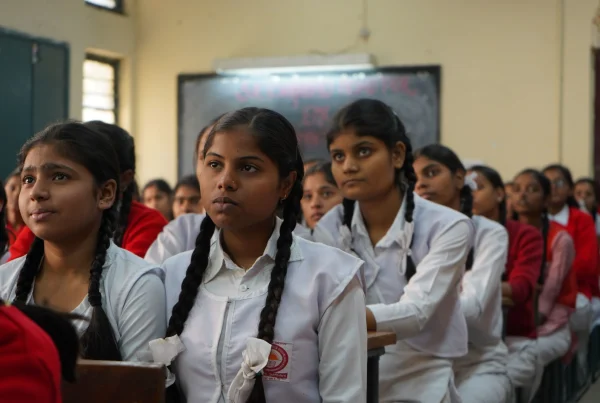
The OSSD hybrid programme, on the other hand, integrates the best of both worlds. Students attend their local school as they normally would, receiving face-to-face instruction from trained local teachers. At the same time, they access course content, assessments, and learning analytics through a digital platform provided by the Canadian partner institution. This OSSD blended learning approach ensures that students benefit from daily classroom interaction while following a curriculum that meets Ontario’s rigorous academic standards.
The key distinction lies in the role of the local school. In a fully online model, the local school has minimal involvement. In the hybrid model, the local school becomes an active delivery partner, providing the classroom environment, teaching support, and student services that make the programme work on the ground.
How Hybrid Students Split Time Between Their Local School and the OSSD
One of the most common questions from school owners and parents is how students actually divide their time between local instruction and the OSSD curriculum. The answer depends on the specific programme structure, but the general framework is consistent.
In a typical OSSD hybrid school setup, students attend classes at their local institution during regular school hours. Local teachers, who receive training and professional development from the Canadian partner, deliver lessons using the digital curriculum resources provided. These resources include multimedia content such as video lectures, interactive simulations, virtual labs, and detailed lesson plans hosted on a digital learning platform.
Assessment is where the model becomes truly distinctive. All assessments are submitted through the digital learning system and graded centrally by Ontario Certified Teachers at the head office in Canada. This centralized evaluation ensures that academic standards remain consistent across every partner school, regardless of location. The final course grade follows Ontario’s established formula: 70 percent from general evaluations completed throughout the course and 30 percent from final evaluations.
Students who attend a local school and earn the OSSD go through the same graduation requirements as students in Ontario, Canada. These include completing 30 credits (18 compulsory and 12 elective), fulfilling 40 hours of community involvement activities, and passing the Ontario Secondary School Literacy Test (OSSLT) administered by EQAO. Grade 12 students who do not pass the OSSLT can take the OLC4O course as an alternative.
Each student receives a nine-digit Ontario Education Number (OEN) upon registration. Upon graduation, students receive the official OSSD, a signed and sealed final transcript (Ontario Student Transcript), and the diploma is sent to the partner school. These credentials are recognized by universities worldwide, making the OSSD hybrid a powerful pathway for international students.
Countries and Schools Offering the OSSD Hybrid Model
The OSSD hybrid model has gained significant traction across the globe. Rosedale International Education, a leading Canadian K-12 education provider headquartered in Markham, Ontario, currently partners with over 100 schools across more than 17 countries, serving 5,000 or more students with over 55,000 course enrollments.
In the 2024-2025 academic year, Rosedale Global High School provides education to secondary students in collaboration with 62 partners in 95 schools across 17 countries, with 1,328 graduates in 2024 and an expected 1,450 graduates in 2025.
Rosedale’s partner network spans regions including Asia, the Middle East, Africa, South America, and Europe. Each partner school works directly with Rosedale’s academic team to implement the OSSD programme in a way that meets specific educational requirements. Rosedale provides the course content, the digital learning platform, centralized assessment by Ontario Certified Teachers, quality assurance, and ongoing teacher training, while the partner school contributes local teaching expertise and student support.
This model allows schools in diverse educational systems to offer a globally recognized Canadian credential without the costs and complexities of establishing an entirely new international programme from scratch. For parents, it means their children can access a world-class curriculum while continuing to study in a familiar school community.
Rosedale also maintains scholarship partnerships with leading universities, including the National University of Singapore, the University of Edinburgh, Imperial College London, and the University of Birmingham. More broadly, the OSSD is accepted by universities in over 150 countries, including the United Kingdom, the United States, Canada, Australia, and Europe. These pathways create direct opportunities for OSSD graduates to access some of the world’s top institutions.
Frequently Asked Questions About the OSSD Hybrid Model
What is the OSSD hybrid model?
The OSSD hybrid model is a programme delivery method in which students study Ontario’s high school curriculum through a combination of in-person instruction at a local partner school and digital coursework managed by an accredited Canadian institution. Students graduate with the official Ontario Secondary School Diploma.
How is the OSSD hybrid different from a fully online OSSD?
In a fully online OSSD programme, students complete all learning remotely. In the hybrid model, students attend a physical school and receive face-to-face instruction from local teachers, while assessments are centrally graded by Ontario Certified Teachers in Canada. The hybrid approach combines the structure of classroom learning with the academic rigour of the Ontario curriculum.
Is the OSSD recognized internationally?
Yes. The OSSD is recognized not only in Canada but also internationally, and it helps students who hope to study or work overseas. It is accepted by leading universities across Canada, the United States, the United Kingdom, Australia, Europe, and Asia.
Can my school become an OSSD hybrid partner?
Yes. Schools interested in discussing a partnership can contact Rosedale International Education at inquiries@rosedaleedu.com or +1-905-604-7533. Rosedale provides the curriculum, digital platform, teacher training, centralized assessment, and academic administration, while the partner school delivers local instruction and student services.
What do students need to graduate with an OSSD?
Students must complete 30 credits (18 compulsory and 12 elective), fulfill 40 hours of community involvement, and pass the Ontario Secondary School Literacy Test or successfully complete the Ontario Literacy Course (OLC4O) as an alternative.
Does Rosedale offer university pathway support?
Yes. Students and counsellors co-design an Individual Growth Plan (IGP) aligned with post-secondary and career goals. Rosedale also offers enrichment opportunities, including project-based learning and cocurricular activities that connect students across countries.
Bring Canada’s Curriculum to Your School with Rosedale
The OSSD hybrid model represents a compelling opportunity for school owners who want to elevate their academic offerings and for parents who are seeking a globally recognized pathway for their children. By partnering with an established Canadian institution, schools can deliver a rigorous, internationally respected curriculum without overhauling their existing programmes.
Rosedale International Education has built a proven track record of supporting over 100 partner schools across 17 countries. Whether you are a school looking to expand your programme offerings or a parent exploring the best academic options for your child, the OSSD hybrid programme is worth serious consideration. Contact the Rosedale team to begin your school partnership conversation.